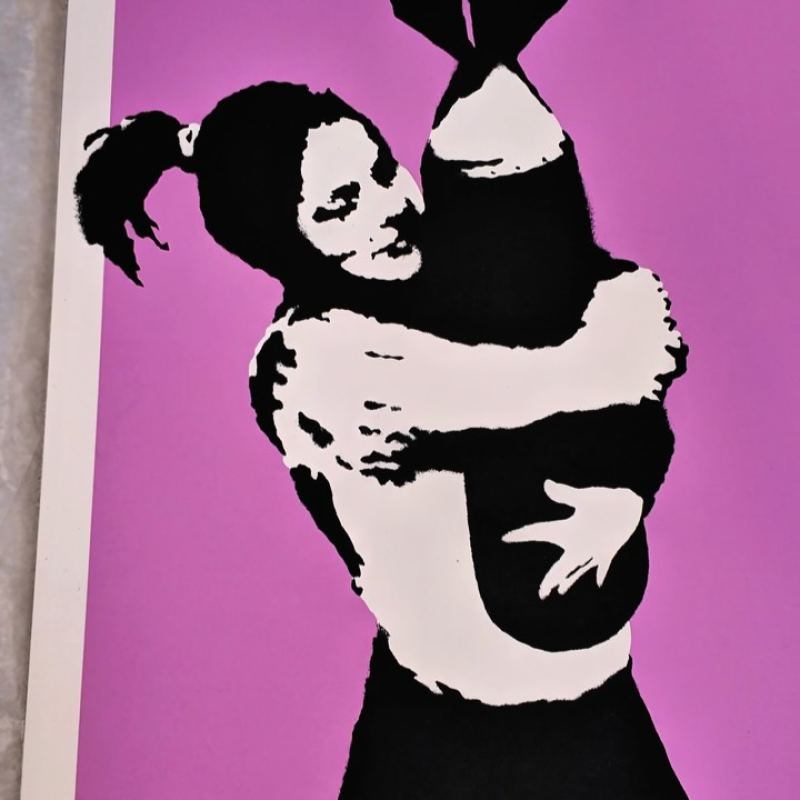
Mao (F. & S. II.97)
- Medium:
- Print — Screenprint in colours on Beckett High White paper
- Size:
- 91.5 × 91.5 cm
- Year:
- 1972
Andy Warhol’s Mao (F. & S. II.97) is part of a provocative series of ten screenprints produced in 1972, based on the official portrait of Chairman Mao Zedong. In this work, Warhol combines the seriousness of political propaganda with the vibrant, rebellious energy of Pop Art. The result is a visually striking and culturally charged image.
Using his signature silkscreen technique, Warhol overlays Mao’s stoic face with bold, unconventional colors—often pinks, blues, and greens—and expressive hand-drawn marks. The contrast between the rigid source image and the chaotic surface treatment disrupts the authority of the original portrait, transforming Mao into a celebrity-like figure.
Created during a time of shifting global politics, the Mao series reflects Warhol’s fascination with power, media, and the way iconic images are reproduced and consumed. Mao (F. & S. II.97) in particular stands out for its vivid color contrasts and dynamic composition, offering both a critique and a reflection of how leaders become larger-than-life symbols.
Using his signature silkscreen technique, Warhol overlays Mao’s stoic face with bold, unconventional colors—often pinks, blues, and greens—and expressive hand-drawn marks. The contrast between the rigid source image and the chaotic surface treatment disrupts the authority of the original portrait, transforming Mao into a celebrity-like figure.
Created during a time of shifting global politics, the Mao series reflects Warhol’s fascination with power, media, and the way iconic images are reproduced and consumed. Mao (F. & S. II.97) in particular stands out for its vivid color contrasts and dynamic composition, offering both a critique and a reflection of how leaders become larger-than-life symbols.
About the Artist

Andy Warhol
1928 – 1987 | American
Andy Warhol (1928–1987) was a leading figure of the Pop Art movement and one of the most influential artists of the twentieth century. Renowned for transforming everyday consumer products and celebrity imagery into iconic works of art, he challenged traditional ideas of culture, fame, and artistic expression. His bold, innovative approach continues to shape contemporary art and popular culture today.
More from Andy Warhol