Discover what defines a blue chip artist, from institutional recognition and collector demand to provenance, market stability and long-term value in contemporary art.
· By Optima Contemporary · 8 min
read
The phrase “blue chip artist” is used constantly across the contemporary art market, particularly in conversations around collecting, investment and long-term value. Yet despite how common the term has become, there is still plenty of confusion around what actually defines blue chip status and why certain artists maintain collector demand across decades while others fall away.
In simple terms, blue chip artists are typically those with sustained institutional recognition, established secondary markets and long-term cultural relevance. Their work is often collected by major museums, traded consistently through leading auction houses and sought after by serious private collectors internationally.
That does not mean their markets are immune to fluctuation. Even the strongest contemporary artists experience softer periods or changing collector trends. What separates blue chip artists is usually resilience rather than constant growth.
What Does ‘Blue Chip’ Mean in Art?
The term itself originates from finance, where “blue chip” traditionally referred to large, well-established companies considered comparatively stable over the long term. In the art world, the phrase evolved to describe artists whose markets have demonstrated similar levels of maturity, recognition and sustained demand.
Today, blue chip artists often sit at the centre of the global contemporary art market. Their works appear regularly at major auctions, international fairs and museum exhibitions, while collectors continue to acquire pieces through both public sales and private advisory channels.
Artists such as Andy Warhol, Jean-Michel Basquiat, David Hockney and Yayoi Kusama are frequently considered blue chip because their markets extend beyond short-term trends. Their importance is reinforced not only commercially, but culturally and institutionally.
What Defines a Blue Chip Artist?
There is no formal checklist that guarantees blue chip status. However, several characteristics tend to appear consistently across the strongest contemporary artist markets.
⏺ Institutional Recognition
One of the clearest indicators is museum and institutional support.
Artists whose works are held by organisations such as Tate, MoMA or The Broad often benefit from a level of long-term validation that extends beyond the commercial market alone.
Major retrospectives, curatorial support and academic attention all contribute towards strengthening an artist’s historical significance. In many cases, institutional endorsement helps build collector confidence because it suggests the artist’s relevance is likely to outlast temporary market cycles.
⏺ Market Stability and Collector Demand
Blue chip artists usually maintain strong secondary market activity over long periods of time.
That does not mean prices rise continuously, but rather that demand remains relatively consistent across different market conditions. Auction houses, including Sotheby’s, Christie’s and Phillips, continue to shape visibility around these markets through evening sales, private transactions and specialist reporting.
Importantly, mature collector demand is often driven by more than speculation alone. Many collectors entering the blue chip market are focused on cultural importance, rarity, provenance and long-term collection building rather than short-term financial returns.
⏺ Provenance and Exhibition History
Provenance plays a significant role within blue chip collecting.
Collectors purchasing high-value contemporary art typically place considerable importance on ownership history, authenticity documentation and exhibition records. Works that have appeared in respected collections or landmark exhibitions often attract stronger demand because they carry additional layers of market confidence and historical context.
This becomes increasingly important at the higher end of the market, where due diligence and authenticity are critical factors in acquisition decisions.
⏺ Cultural Influence and Longevity
Blue chip artists tend to maintain influence beyond the art market itself.
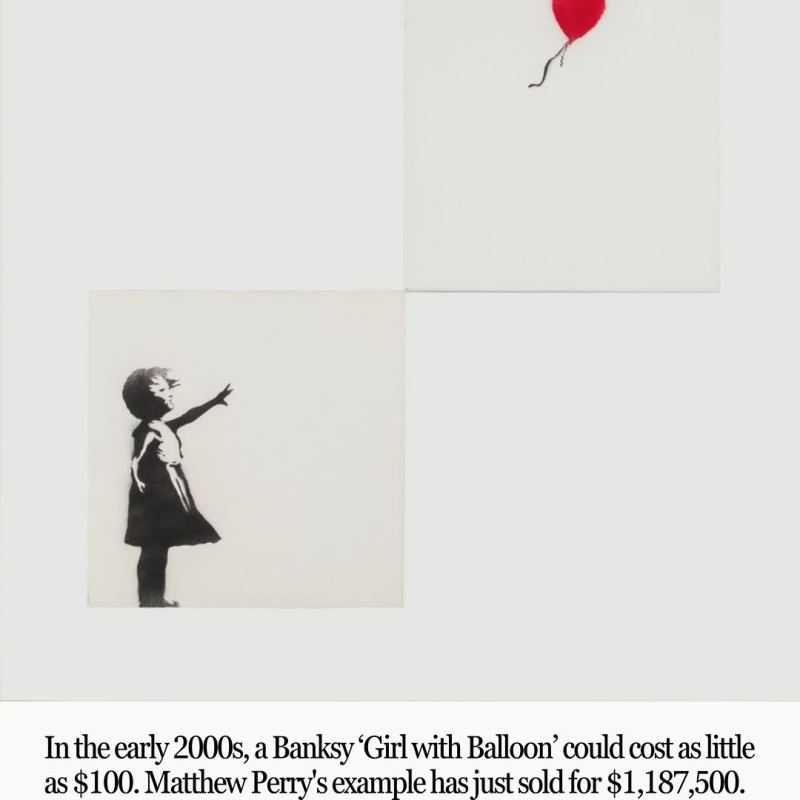
Artists such as Banksy or Andy Warhol have become embedded within wider cultural conversations spanning fashion, music, politics and popular culture. Their work continues to resonate across generations, helping sustain long-term visibility and collector interest.
In many cases, this cultural relevance becomes part of what supports enduring market demand.
Examples of Blue Chip Artists
While the definition of a blue chip artist can evolve over time, certain names consistently appear at the centre of the contemporary art market due to their institutional recognition, cultural significance and sustained collector demand.
ANDY WARHOL
Few artists have shaped the contemporary art market as profoundly as Warhol. His influence extends far beyond fine art into fashion, music and celebrity culture, while demand across paintings, unique works and editions remains exceptionally strong decades after his death. His market maturity and global recognition continue to position him firmly within blue chip collecting.
JEAN-MICHEL BASQUIAT
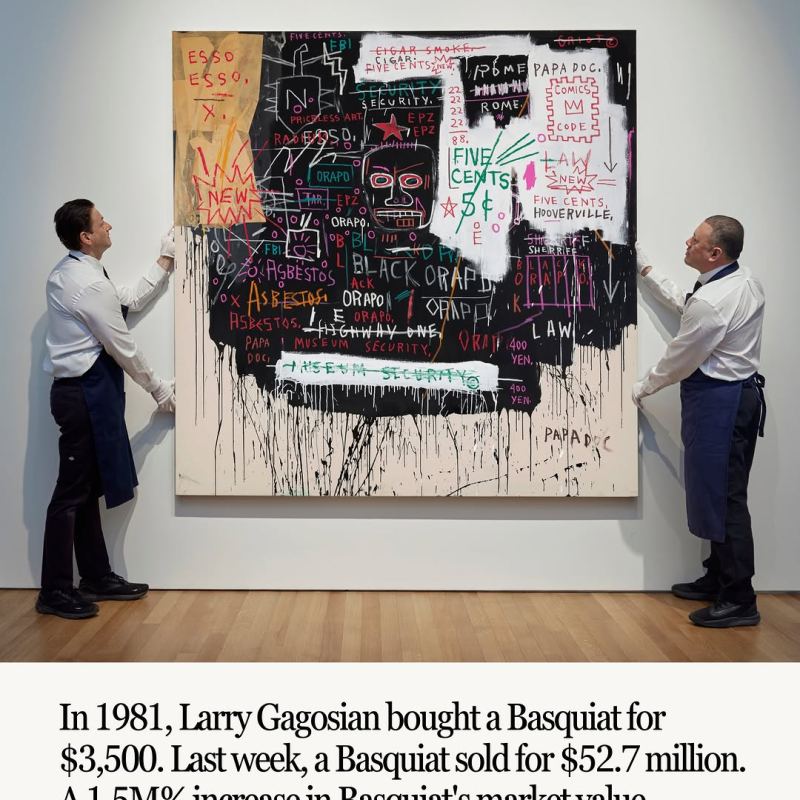
Basquiat’s market has developed into one of the most important sectors of the international contemporary art world. Institutional recognition, rarity and enduring cultural relevance continue to drive significant collector demand, particularly for major works from the early 1980s.
YAYOI KUSAMA
Kusama combines museum-level institutional prestige with broad international appeal. Her work spans paintings, sculpture, installations and editions, supported by major exhibitions worldwide and sustained demand from both established and emerging collectors.
DAVID HOCKNEY
Widely regarded as one of Britain’s most important artists, Hockney maintained relevance across multiple decades and generations of collectors. Even after his recent unfortunate death, his market continues to benefit from strong institutional support, historical importance and international demand across a range of mediums.
BANKSY
While Banksy occupies a slightly different position to more traditional blue chip artists, his sustained secondary market demand, global recognisability and cultural influence have firmly established him within contemporary blue chip collecting conversations. Demand for both editions and unique works remains consistently strong internationally.
Why Some Famous Artists Never Become Blue Chip
Commercial popularity alone does not automatically create blue chip status.
The contemporary art market regularly experiences periods where certain artists generate rapid attention, dramatic auction growth or intense social media visibility. However, some of these markets cool quickly once speculation fades or collector sentiment changes.
What often separates blue chip artists from temporarily fashionable ones is the depth supporting the market underneath. Institutional recognition, serious collections, historical importance and sustained collector demand usually matter more over time than short-term hype.
Collectors focused purely on momentum can sometimes overlook this distinction.
Originals vs Editions in Blue Chip Markets
Blue chip collecting is not limited to unique works alone.
Many established contemporary artists maintain strong markets across paintings, sculptures, drawings and editions simultaneously. For some collectors, editions provide a more accessible route into highly established artist markets without requiring the budgets associated with major originals.
WHY EDITIONS STILL MATTER
Artists, including Banksy and Andy Warhol, have exceptionally active print markets that continue to attract global collector demand.
In some cases, certain editions have become highly collectable in their own right due to rarity, historical importance or cultural relevance. Strong edition markets can also help broaden an artist’s collector base internationally.
WHAT COLLECTORS LOOK FOR IN BLUE CHIP EDITIONS
Not all editions are viewed equally.
Experienced collectors often assess factors including:
- rarity and edition size
- provenance and authenticity
- condition
- colourway variations
- historical significance
- publisher reputation
- market liquidity
Collectors approaching edition markets seriously typically apply the same level of research and scrutiny they would to unique works.
Why Provenance Matters So Much
Within blue chip collecting, provenance is often closely tied to confidence.
A strong provenance history can help reassure buyers around authenticity, ownership history and future marketability. Works previously held in notable collections or exhibited publicly may attract stronger interest because they carry additional historical and cultural weight.
As the contemporary art market has become increasingly globalised, provenance has also become more important in protecting transparency and trust within high-value transactions.
This is one reason many acquisitions still happen privately through trusted advisors, specialists and established networks rather than purely through public-facing platforms.
Are Blue Chip Artist Always Safe Investments?
No artist market is completely risk-free.
Even highly established contemporary artists experience fluctuations in demand, softer auction seasons or changing collector priorities. The art market is influenced by wider economic conditions, cultural trends and shifts in taste just like any other luxury sector.
However, blue chip artists are often perceived as comparatively resilient because their markets are supported by deeper foundations including institutional recognition, historical importance and international collector demand.
Over the past decade, publications such as The Financial Times and ARTnews have increasingly covered contemporary art within broader conversations around wealth, collecting and alternative assets. Yet experienced collectors rarely approach acquisitions as purely financial decisions.
The strongest collections are usually built through conviction, patience and genuine engagement with the work itself.
What Experienced Art Collectors Typically Look For
While every collector approaches acquisitions differently, certain considerations consistently shape buying decisions within the blue chip market.
Experienced collectors often focus on:
- institutional recognition
- provenance and authenticity
- rarity
- condition
- exhibition history
- long-term cultural relevance
- market maturity
- liquidity within the secondary market
- quality within an artist’s wider body of work
These factors often matter far more over time than chasing short-term market trends.
Blue chip status is not simply about record-breaking auction prices or market visibility. More often, it reflects a combination of cultural importance, institutional support, collector confidence and long-term relevance.
The artists who sustain demand across decades are rarely driven by hype alone. Their markets tend to be supported by deeper foundations that continue to resonate through changing generations of collectors.
For those navigating the contemporary art market, understanding these nuances can be far more valuable than focusing purely on headlines. The strongest collections are rarely built around trends alone, but through thoughtful acquisitions shaped by research, conviction and long-term perspective.