News & Insights · Feature
Originals vs Editions: What Serious Art Collectors Should Know
Discover the differences between original artworks and editions, from rarity and provenance to collector demand, investment potential and long-term value in contemporary art.
· By stu@asok.co.uk · 7 min read

One of the most common questions collectors ask when entering the contemporary art market is whether they should buy an original artwork or an edition. The answer is rarely straightforward.
Both originals and editions can hold significant cultural, financial and personal value, and both occupy important positions within the contemporary art world. Some collectors focus exclusively on unique works, while others build exceptional collections centred around prints and editions. Increasingly, many collectors move between both markets depending on the artist, budget and type of work they are looking to acquire.
The key difference is not necessarily quality, but scarcity, accessibility and market positioning.
For collectors navigating the market seriously, understanding how originals and editions function differently can help shape more informed and confident acquisition decisions over time.
What’s the Difference Between an Original and an Edition?
An original artwork is a unique, one-of-one piece created directly by the artist. This could include paintings, drawings, sculptures or mixed media works that exist as singular objects.
An edition, by contrast, refers to a series of artworks produced in multiple copies, usually as prints, photographs or cast sculptures. Editions are typically released in limited numbers and are often signed and numbered by the artist.
In contemporary art, editions are not simply reproductions or posters. Many are considered original works in their own right, particularly when created using techniques such as screenprinting, etching, lithography or woodcut printing.
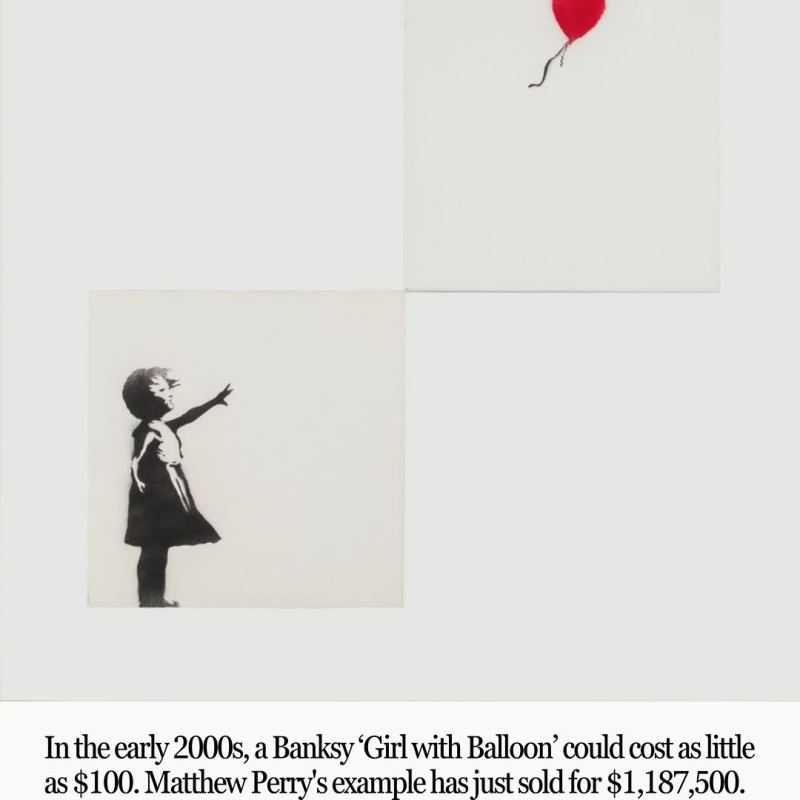
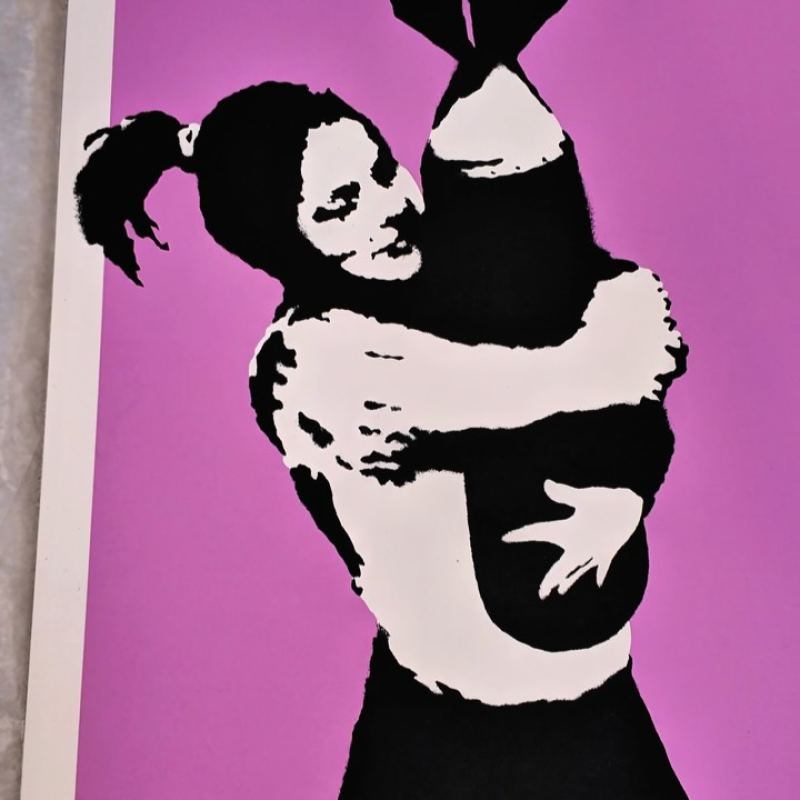
Artists including Andy Warhol and Banksy built entire areas of their market around editions, with some prints becoming among the most recognisable works of their careers.
Why Editions Matter in Contemporary Art
For many collectors, editions represent an important entry point into established artist markets that may otherwise feel financially inaccessible.
Accessibility and Entry Points
Original works by major blue chip artists can reach values far beyond the budgets of most collectors. Editions often provide a more accessible route into those same markets while still offering strong artistic and cultural significance.
For example, collectors may not be in a position to acquire a major painting by David Hockney or Yayoi Kusama, but signed editions can still provide meaningful exposure to those artists’ markets and bodies of work.
This accessibility has helped editions become increasingly important within contemporary collecting over the past two decades.
Strong Artist Markets
Some artists have exceptionally mature edition markets that operate almost independently within the wider art market.
Warhol’s screenprints, Banksy’s editions and certain works by Damien Hirst continue to attract significant international demand through both auction houses and private sales.
In many cases, editions become highly liquid parts of an artist’s market because they are more widely traded and comparatively easier for collectors to acquire.
Auction houses including Phillips and Sotheby’s Prints & Multiples regularly dedicate specialist sales to editions and works on paper, reflecting the strength of collector interest globally.
Why Some Editions Become Highly Valuable
Not all editions perform equally. Certain prints become highly sought after due to rarity, historical significance, condition or cultural relevance. Small edition sizes, unusual colourways and works tied to important moments in an artist’s career can all strengthen collector demand.
In some cases, rare editions have achieved prices comparable to lower-tier original works within the same artist market.
Collectors increasingly view strong editions not as secondary alternatives, but as important contemporary artworks in their own right.
Why Originals Continue to Command Higher Prices
Despite the strength of many edition markets, original artworks still tend to command significantly higher values overall.
Uniqueness and Scarcity
The most obvious factor is uniqueness. An original painting or sculpture exists as a singular object, meaning collectors are competing for something that cannot be replicated elsewhere within the market. This exclusivity naturally increases scarcity and often strengthens long-term demand.
At the highest level of the market, rarity becomes particularly important, especially for historically significant works or pieces from key periods within an artist’s career.
Museum and Institutional Demand
Museums and major institutions often focus heavily on unique works when building collections or organising exhibitions. This institutional demand can contribute towards stronger market positioning for originals, particularly where works have historical importance or strong provenance histories.
Artists with major museum retrospectives or institutional collections frequently see renewed attention across both their original and edition markets.
Collector Psychology
There is also an emotional and psychological aspect to collecting original works.
For some buyers, owning a unique object created directly by the artist carries a different level of significance and intimacy. That emotional connection often plays an important role within high-end collecting decisions and can influence how collectors value certain works over time.
Examples of Artists With Strong Edition Markets
Several contemporary artists have built exceptionally strong demand across both originals and editions.
BANKSY |
Banksy’s print market remains one of the most active and recognisable in contemporary art. Signed editions in particular continue to attract strong global demand, supported by scarcity, cultural relevance and sustained collector interest. |
ANDY WARHOL |
Warhol helped redefine the role of printmaking within contemporary art. His screenprints remain among the most traded and widely collected editions internationally, with certain works achieving extraordinary long-term growth. |
DAMIEN HIRST |
Hirst’s edition market spans prints, spot works and more experimental releases. Collector demand often varies considerably depending on rarity, medium and period, making research especially important when acquiring works. |
DAVID HOCKNEY |
Hockney’s editions continue to attract collectors drawn to both their visual appeal and historical significance within British contemporary art. Works from certain print series remain highly sought after internationally. |
What Collectors Should Look For When Buying Editions
Collectors approaching the edition market seriously often pay close attention to factors including:
edition size
signature and numbering
provenance
condition
publisher reputation
historical significance
rarity within the wider market
liquidity and resale demand
whether the work is signed or unsigned
Even within the same edition, subtle differences in condition or provenance can significantly influence market value.
Are Editions a Good Investment?
Many collectors researching contemporary art eventually ask whether editions represent a worthwhile investment.
The reality is that some editions have performed exceptionally strongly over time, while others have remained relatively stable or experienced fluctuating demand. As with any area of the art market, outcomes depend heavily on the artist, rarity, timing and quality of the specific work.
Collectors approaching editions purely from a speculative perspective can sometimes overlook the importance of long-term cultural relevance and sustained collector demand.
Publications including Artnet News and The Art Newspaper regularly report on the growing visibility of editions within the wider contemporary market, particularly as younger collectors increasingly enter the space.
However, experienced collectors rarely approach acquisitions solely through the lens of short-term return. The strongest collections are usually built around conviction, quality and long-term engagement with the artist’s work.
Should You Buy an Original or an Edition?
The right decision ultimately depends on what kind of collector you want to become.
Some buyers prioritise uniqueness, scarcity and museum-level works, while others are drawn to the accessibility, liquidity and cultural significance of editions. Many serious contemporary collections include both.
For newer collectors especially, editions can provide an excellent way to develop knowledge, confidence and familiarity with artist markets before moving towards higher-value acquisitions.
What matters most is rarely whether a work is technically an original or an edition, but whether the acquisition feels thoughtful, well-researched and personally meaningful within the context of the wider market.